

Introduction: Why AI Matters in the Tourism Supply Chain
The tourism industry is no longer driven solely by destinations and services—it is now powered by data, intelligence, and digital connectivity. Across Vietnam and the wider region, AI in the tourism supply chain is becoming a decisive force that reshapes how tourism products are created, distributed, and experienced.
From smart destination management to predictive demand forecasting, artificial intelligence is enabling tourism stakeholders to work faster, smarter, and more collaboratively. Conferences and industry forums—like the one shown in the image—highlight how businesses, associations, and policymakers are redefining their roles in this new digital ecosystem.
This article explores how AI is transforming the tourism supply chain, why it matters for Vietnam’s tourism future, and what businesses must do to stay competitive.
Understanding the Tourism Supply Chain in the Digital Age
The tourism supply chain is a complex network involving:
Travel agencies and tour operators
Hotels and accommodation providers
Transportation services
Destination management organizations
Technology platforms and digital intermediaries
Traditionally, these players operated in silos. Today, AI connects them through shared data, automation, and intelligent decision-making.
With AI in the tourism supply chain, information flows in real time—allowing stakeholders to respond instantly to traveler behavior, market changes, and operational risks.
How AI Is Transforming the Tourism Supply Chain
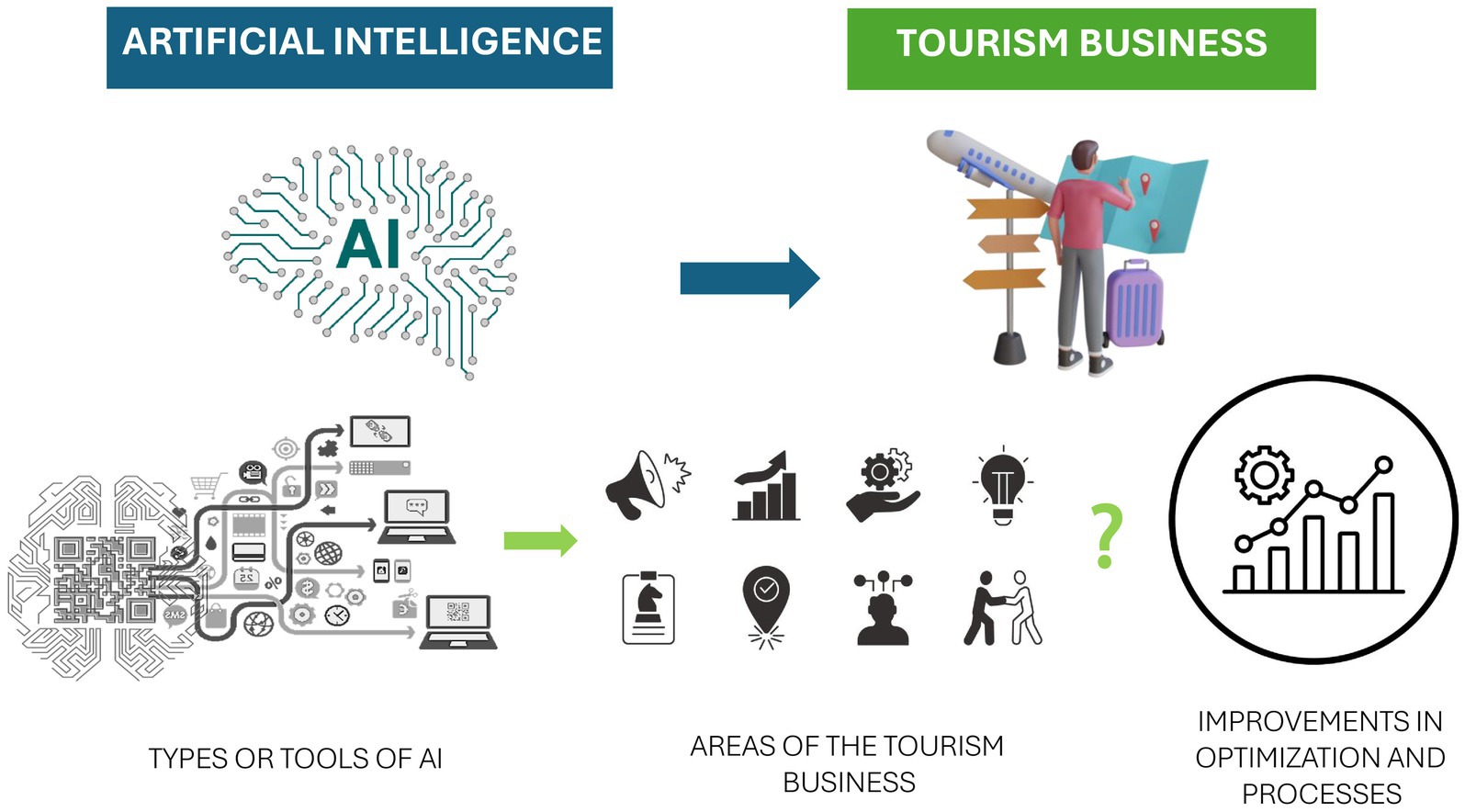
1. Smarter Demand Forecasting
AI analyzes historical bookings, seasonal trends, weather data, and online behavior to predict travel demand with high accuracy. This helps:
Hotels optimize room pricing
Airlines adjust capacity
Tour operators design relevant packages
As a result, businesses reduce waste, improve profitability, and enhance traveler satisfaction.
2. Personalized Travel Experiences
AI-powered systems tailor recommendations based on traveler preferences, budgets, and behavior. This includes:
Customized itineraries
Personalized hotel and activity suggestions
Dynamic pricing offers
Personalization strengthens customer loyalty and increases conversion rates across the tourism supply chain.
3. Automation and Operational Efficiency
AI automates repetitive tasks such as:
Booking confirmations
Inventory management
Customer inquiries via chatbots
This allows tourism professionals to focus on strategy, creativity, and human-centered service—while reducing operational costs.
The New Role of Businesses and Associations
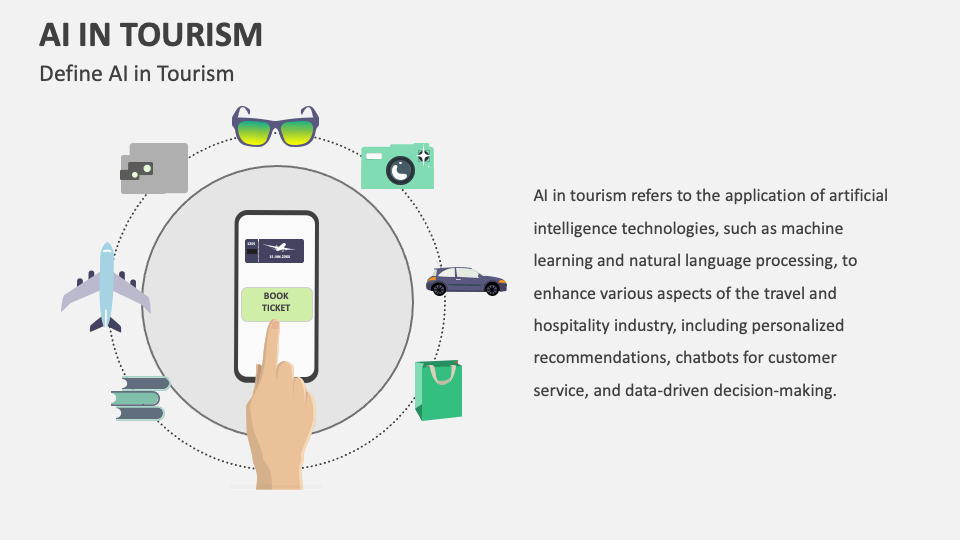
The image reflects a growing reality: digital transformation is no longer optional. Businesses and industry associations now play a critical role in:
Setting data standards
Promoting digital collaboration
Training the tourism workforce in AI literacy
Associations act as bridges between policymakers, technology providers, and tourism enterprises—ensuring that AI adoption is inclusive and sustainable.
AI and Sustainable Tourism Development
AI in the tourism supply chain also supports sustainability by:
Monitoring visitor flows to prevent overcrowding
Optimizing energy and resource usage in hotels
Supporting data-driven destination planning
For Vietnam, this means balancing tourism growth with environmental protection and cultural preservation.
Challenges of Implementing AI in Tourism
Despite its benefits, AI adoption faces challenges:
High initial investment costs
Data privacy and cybersecurity concerns
Skills gaps in the workforce
Overcoming these barriers requires coordinated efforts between government, private sector, and educational institutions.
Opportunities for Vietnam’s Tourism Industry
Vietnam is uniquely positioned to lead in smart tourism because of:
A fast-growing digital economy
Strong government support for digital transformation
A young, tech-savvy workforce
By embracing AI in the tourism supply chain, Vietnam can enhance global competitiveness and attract higher-value travelers.
Frequently Asked Questions (FAQs)
1. What is AI in the tourism supply chain?
It refers to the use of artificial intelligence to optimize planning, operations, and collaboration across tourism services such as transport, accommodation, and experiences.
2. How does AI benefit travelers?
AI delivers personalized recommendations, faster service, better pricing, and smoother travel experiences.
3. Can small tourism businesses use AI?
Yes. Many AI tools are cloud-based and affordable, allowing small businesses to improve efficiency and marketing.
4. Is AI replacing human jobs in tourism?
AI supports—not replaces—human roles by automating routine tasks and enabling higher-value work.
5. How does AI support sustainable tourism?
It helps manage visitor numbers, reduce waste, and improve resource efficiency through data-driven insights.
6. What skills are needed for AI adoption in tourism?
Data literacy, digital marketing, AI system management, and strategic thinking are increasingly important.
Conclusion: The Future Is Intelligent and Connected
AI in the tourism supply chain is not just a technological upgrade—it is a strategic transformation. As highlighted by industry conferences and expert discussions, the future of tourism lies in intelligent collaboration between businesses, associations, and technology.
For Vietnam, embracing AI means building a tourism ecosystem that is smart, sustainable, and globally competitive. Those who adapt early will lead the next era of travel innovation.