
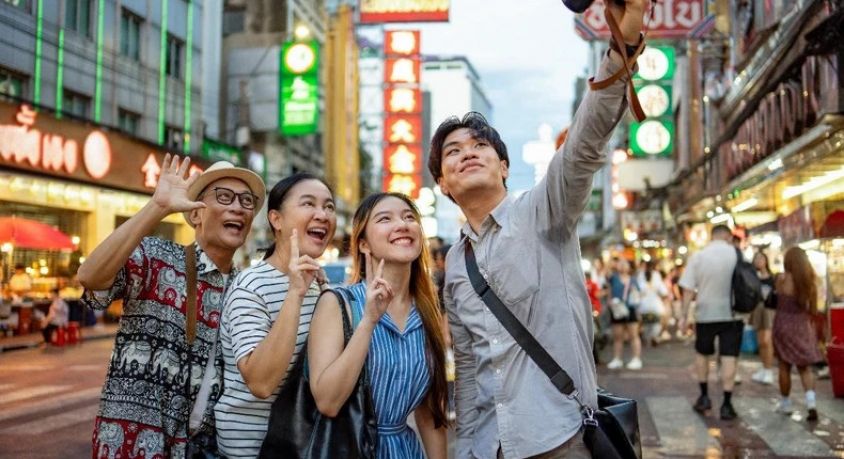
Introduction: Why Tourism Trend-Analysis to Vietnam 2026 Matters
Tourism trend-analysis to Vietnam 2026 is more than a forecast—it is a strategic lens into how Vietnam’s travel industry is evolving in response to technology, global mobility, and changing traveler expectations. After strong recovery momentum in the mid-2020s, Vietnam is entering a decisive phase where quality, intelligence, and sustainability will matter more than volume alone.
By 2026, Vietnam is expected to compete not just as an affordable destination, but as a smart, experience-driven, and sustainable tourism hub in Asia. This article breaks down the most important trends shaping Vietnam’s tourism future and what they mean for destinations, businesses, and policymakers.
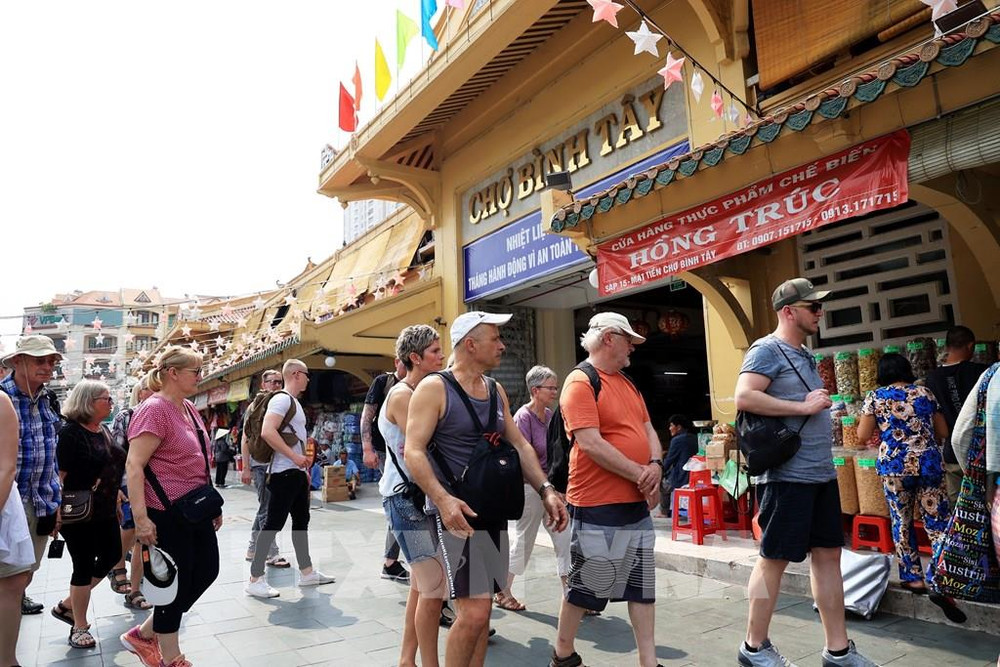
Vietnam Tourism Outlook Toward 2026
Vietnam’s tourism strategy toward 2026 focuses on:
Higher-spending, longer-stay visitors
Diversified source markets
Digital and green transformation
Tourism trend-analysis to Vietnam 2026 shows a clear shift from mass tourism toward value-based tourism, where experience quality, personalization, and environmental responsibility define success.
1. AI-Driven Tourism Ecosystems
Artificial intelligence will be deeply embedded across the tourism value chain. By 2026:
AI will power demand forecasting and dynamic pricing
Chatbots and virtual assistants will handle most traveler inquiries
Data platforms will connect hotels, transport, attractions, and destinations
Tourism trend-analysis to Vietnam 2026 shows AI as a core enabler of competitiveness, not a luxury.
2. Smart Destinations and Data-Based Management
Vietnamese destinations are moving toward smart destination models, using real-time data to:
Control visitor flows
Reduce congestion
Improve safety and satisfaction
Cities and provinces adopting smart tourism systems will attract more international partnerships and premium travelers.
3. Sustainable and Regenerative Tourism
Sustainability is no longer optional. By 2026:
Eco-certified hotels and tours will gain market preference
Carbon-conscious travel choices will influence bookings
Community-based tourism will expand beyond rural niches
Tourism trend-analysis to Vietnam 2026 highlights sustainability as a key decision factor, especially for European, Australian, and high-value Asian travelers.
4. Rise of Experience-First Travel
Travelers are shifting away from sightseeing-only trips toward:
Culinary tourism
Wellness and health retreats
Cultural immersion and creative tourism
Vietnam’s diversity in food, heritage, and landscapes positions it strongly for experience-led growth through 2026.
5. Growth of Digital Nomads and Long-Stay Visitors
Vietnam is becoming increasingly attractive to:
Remote workers
Freelancers and digital nomads
Long-stay retirees
Affordable living, improving infrastructure, and lifestyle appeal support this trend. Tourism trend-analysis to Vietnam 2026 suggests long-stay visitors will contribute significantly to stable tourism revenue.
6. Shift in Source Markets
By 2026, Vietnam’s tourism growth will rely on:
Intra-Asia travel (Korea, Japan, India, Southeast Asia)
Select long-haul markets seeking premium experiences
Rather than chasing volume, Vietnam is targeting balanced and resilient markets.
7. Demand for Seamless Digital Journeys
Travelers expect:
Online booking from end to end
Cashless payments
Integrated apps for transport, accommodation, and attractions
Tourism trend-analysis to Vietnam 2026 shows that destinations lacking digital convenience will quickly lose relevance.
8. Luxury and Boutique Tourism Expansion
Luxury tourism in Vietnam is shifting toward:
Boutique resorts
Private tours
Personalized, low-density experiences
This trend aligns with Vietnam’s goal of increasing tourism value while reducing environmental pressure.
9. Stronger Role of Public–Private Collaboration
By 2026, successful tourism development will depend on:
Government-led digital infrastructure
Private sector innovation
Industry associations setting standards
Tourism trend-analysis to Vietnam 2026 emphasizes collaboration as the foundation of long-term resilience.
Challenges Vietnam Must Address Before 2026
Despite strong potential, key challenges remain:
Workforce digital skills gaps
Uneven destination development
Data sharing and governance issues
Addressing these will determine whether Vietnam leads or follows regional competitors.
Frequently Asked Questions (FAQs)
1. What is the main tourism trend in Vietnam toward 2026?
The biggest trend is the shift toward smart, sustainable, and experience-driven tourism supported by digital technology.
2. Will Vietnam focus on mass tourism in 2026?
No. Tourism trend-analysis to Vietnam 2026 shows a move toward quality visitors and higher-value experiences.
3. How important is sustainability for Vietnam tourism?
Extremely important. Sustainability will influence destination branding, traveler choice, and policy decisions.
4. What role does technology play in Vietnam tourism 2026?
Technology—especially AI and data platforms—will underpin operations, marketing, and destination management.
5. Is Vietnam attractive for digital nomads by 2026?
Yes. Infrastructure, lifestyle, and affordability make Vietnam increasingly competitive for long-stay travelers.
6. Which tourism segments will grow fastest?
Wellness tourism, culinary travel, eco-tourism, and boutique luxury experiences are expected to grow the fastest.
Conclusion: Vietnam’s Tourism Path to 2026
Tourism trend-analysis to Vietnam 2026 points to a future defined by intelligence, sustainability, and meaningful experiences. Vietnam is transitioning from a fast-growing destination to a strategically managed tourism economy.
Success by 2026 will depend on how well Vietnam aligns technology, policy, businesses, and communities around a shared vision: tourism that is competitive, inclusive, and sustainable for the long term.